



Blog
"Haicheng" explosion-proof tools are star products and very popular among custmers and friends
Navigating the World of Explosion-Proof Tools: FAQs and Insights
Release time:
2025-03-17
【Summary】 Discover everything you need to know about explosion-proof tools, from their importance to FAQs.
Introduction to Explosion-Proof Tools
When it comes to safety in hazardous environments, explosion-proof tools are the unsung heroes. Designed to withstand potentially explosive conditions, these tools are essential in various industries, from oil and gas to chemical manufacturing. But what exactly makes them special? Let’s dive into some common questions surrounding these indispensable devices!
What Are Explosion-Proof Tools?
Well, let’s break it down—explosion-proof tools are specifically engineered to operate safely in environments where flammable gases or dust might be present. They’re built to prevent any ignition sources that could lead to catastrophic explosions. With features like reinforced casings and specialized materials, they can endure the rigors of tough jobs while keeping workers safe.
Why Are They Necessary?
Imagine this: you’re working in a plant that handles volatile substances. The last thing you want is for a spark from your tools to ignite something dangerous. That’s where explosion-proof tools come into play! They’re not just a luxury; they’re a necessity for ensuring safety and compliance with regulations.
What Types of Tools Are Considered Explosion-Proof?
Great question! Explosion-proof tools encompass a wide range of equipment, such as:
- Drills: Designed for rigorous drilling tasks without the risk of generating sparks.
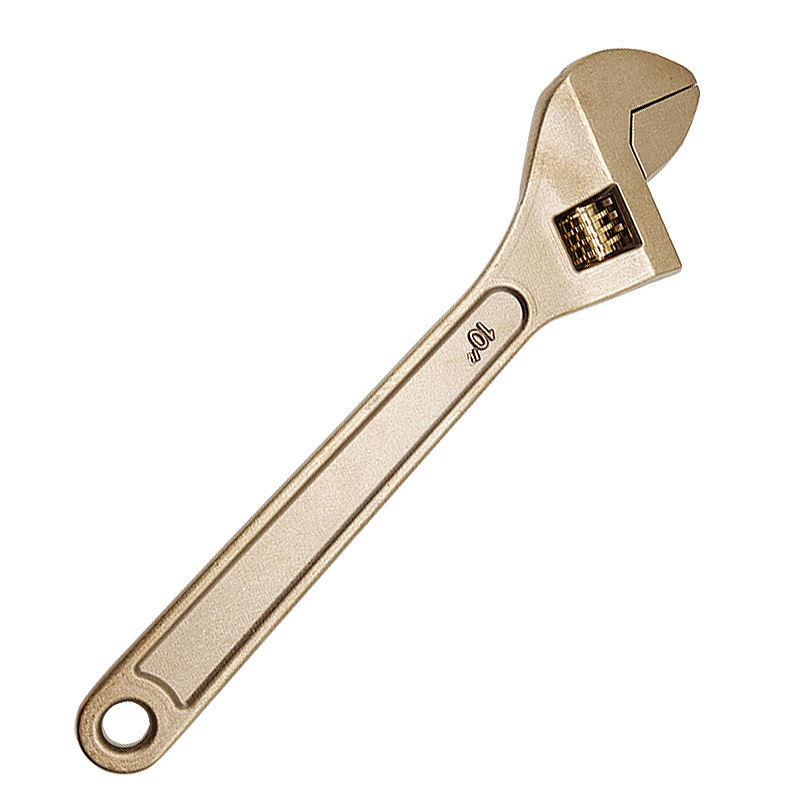
- Wrenches: Heavy-duty yet safe for use in explosive atmospheres.
- Lighting: Specialized fixtures that illuminate work areas without posing ignition risks.
- Fans: Ventilation systems that prevent the buildup of hazardous gases.
These tools are meticulously tested and certified to ensure they meet stringent safety standards.
How Are They Tested for Safety?
Now, you might be wondering how these tools are verified for safety. Manufacturers put them through rigorous testing processes, simulating extreme conditions to ensure they can withstand potential hazards. They’re evaluated against standards set by organizations like the National Fire Protection Association (NFPA) and Underwriters Laboratories (UL).
Can Explosion-Proof Tools Be Used in Non-Hazardous Areas?
Absolutely! While they’re designed for hazardous environments, using explosion-proof tools in non-hazardous areas is completely safe. In fact, it can be a wise choice! These tools are often built to be more durable, meaning they can last longer and perform better even in less demanding conditions. Talk about a win-win!
What Should You Look for When Buying Explosion-Proof Tools?
Here’s the lowdown: when shopping for explosion-proof tools, you’ll want to consider a few key factors:
- Certification: Ensure the tool is certified for use in hazardous environments.
- Material: Look for tools made from high-quality, non-sparking materials.
- Ergonomics: Comfort matters! Choose tools that are easy to handle and operate.
- Warranty: A good warranty can be a lifesaver if something goes wrong.
Remember, investing in quality means investing in safety!
Are There Any Downsides?
Well, like anything, there are a few trade-offs. Explosion-proof tools can be pricier than standard tools due to their specialized design and materials. Additionally, they may be heavier and bulkier, which can be a consideration for some users. But hey, safety is priceless, right?
Conclusion
To wrap it up, explosion-proof tools are a vital component in ensuring safety in hazardous work environments. By understanding their importance, types, and how to choose the right ones, you can make informed decisions that protect both you and your colleagues. So, the next time you’re in the market for tools in a risky setting, remember: safety first!
Key words:
Key words:
explosion-proof tools,non-sparking tools,wrench,spanner,tools,non-sparking
Related News


