



Blog
"Haicheng" explosion-proof tools are star products and very popular among custmers and friends
Safety First: The Essential Guide to Non-sparking Tools
Release time:
2025-10-16
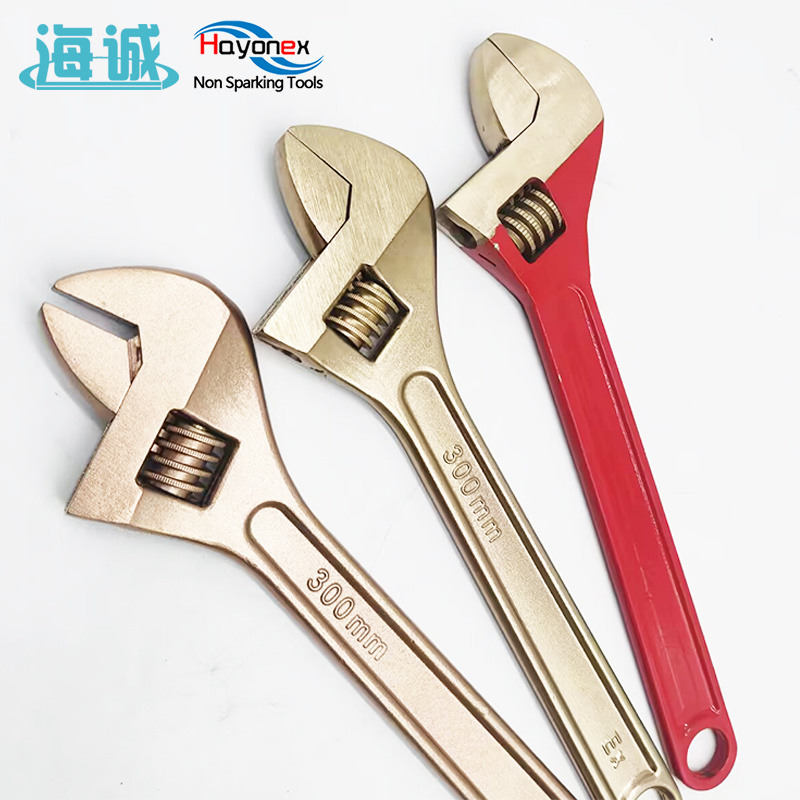
【Summary】 Our company produces explosion-proof tools, anti magnetic tools, non-sparking tools adjustable wrenches, non-sparking tools copper hammers and other safety tools. You can contact us+86 199 3375 6239 haiyangtools@hayonex.com haiyangtools@Gmail.com
What Are Non-sparking Tools?
Non-sparking Tools—sounds like a fancy term, right? But don't be fooled! These handy gadgets are absolutely essential in environments where flammable gases or dust might be lurking around. Simply put, non-sparking tools are made from materials that do not create sparks when struck against other metals. This quality can mean the difference between a safe work environment and a potential disaster!
Why Use Non-sparking Tools?
Ever heard the saying, "Better safe than sorry?" Well, in industries like oil & gas, mining, and manufacturing, this couldn't be more true! Using non-sparking tools is not just a good idea; it's a necessity. Imagine working in a place where hazardous materials are commonplace. A tiny spark could ignite a fire or even explode. Yikes! That's why workers in these fields put their trust in non-sparking tools.
Materials Matter
Now, you might be wondering, "What are these magical materials?" Typically, non-sparking tools are made from alloys like bronze or brass, and sometimes even certain plastics. These materials are engineered to withstand heavy use without compromising safety. So, whether you're tightening bolts or prying open crates, you can do so without worrying about igniting a dangerous situation.
Common Types of Non-sparking Tools
- Wrenches
- Hammers
- Screwdrivers
- Chisels
- Pry bars
Each of these tools plays a crucial role in various industries, and using non-sparking versions can significantly reduce the risk of accidents.
The Cost of Ignoring Safety
Let's be real: skimping on safety equipment can lead to hefty consequences. Not only could you face fines and legal issues, but the human cost is much more severe. A single accident can change lives forever. Investing in Non-sparking Tools might seem like an added expense, but it's a small price to pay for peace of mind and safety!
Best Practices for Using Non-sparking Tools
So, you've got your shiny new non-sparking tools, but how do you use them effectively? Here are some tips that'll set you on the right path:
1. Regular Inspection
Just like your car needs a check-up, so do your tools! Regularly inspect your non-sparking tools for any signs of wear or damage. A small crack can lead to big problems!
2. Training
Make sure everyone who uses these tools is well-trained. Knowing how to handle them properly can prevent accidents before they happen.
3. Storage
Store tools in a safe and dry environment. Avoid exposure to harsh chemicals that might degrade their non-sparking properties over time.
The Bottom Line
In conclusion, Non-sparking Tools are not just another item on your shopping list; they're a crucial part of maintaining a safe workplace. When you think about it, safety should always come first. So next time you're gearing up for a project in a hazardous environment, make sure you're equipped with the right tools. After all, it's better to be safe than sorry!
Final Thoughts
Whether you're a seasoned professional or just starting out in a high-risk industry, understanding and utilizing Non-sparking Tools can keep you and your team out of harm's way. So go ahead, invest in safety, and remember: when it comes to tools, it's not just about functionality; it's about security!
Key words:
Key words:
Non-sparking tools,explosion-proof tools
Related News


