



Blog
"Haicheng" explosion-proof tools are star products and very popular among custmers and friends
Understanding Non-sparking Tools: Safety in a Spark-prone Environment
Release time:
2025-12-15
【Summary】 Our company produces explosion-proof tools, anti magnetic tools, non-sparking tools adjustable wrenches, non-sparking tools copper hammers and other safety tools. You can contact us+86 199 3375 6239 haiyangtools@hayonex.com haiyangtools@Gmail.com
Introduction to Non-Sparking Tools
In industries where explosive gases or flammable materials are present, the term Non-Sparking Tools becomes a vital part of the safety vocabulary. These specialized tools are designed to prevent the ignition of flammable substances, making them indispensable in various settings. But how do they work, and why are they so important? Let's dive into the mechanics and benefits of these essential tools!
What Are Non-Sparking Tools?
Non-sparking tools are typically made from materials like brass or bronze, which do not create sparks when they strike against hard surfaces. This characteristic is crucial in environments such as oil rigs, chemical plants, and even some construction sites where flammable materials might be lurking around every corner. Imagine trying to fix a pipe in a place filled with vapors; the last thing you want is a spark igniting a disaster!
How Do Non-Sparking Tools Work?
The magic behind Non-Sparking Tools lies in their material composition. Unlike standard steel tools, which can produce sparks upon impact, non-sparking tools are crafted from softer metals that do not have the same properties. For instance, when a brass hammer hits a steel surface, it doesn't generate enough friction to create a spark. It's like having a calming presence in a heated argument—no sparks flying!
The Importance of Non-Sparking Tools
Using Non-Sparking Tools is not just about compliance; it's about ensuring the safety of everyone in the vicinity. Here are a few reasons why these tools are paramount:
- Enhanced Safety: By minimizing the risk of ignition, these tools help protect workers and the surrounding environment.
- Regulatory Compliance: Many industries have strict regulations regarding spark generation. Using these tools can keep your operations compliant.
- Durability: Non-sparking tools are often more durable than their steel counterparts, offering longevity and reliability in hazardous conditions.
Common Non-Sparking Tools
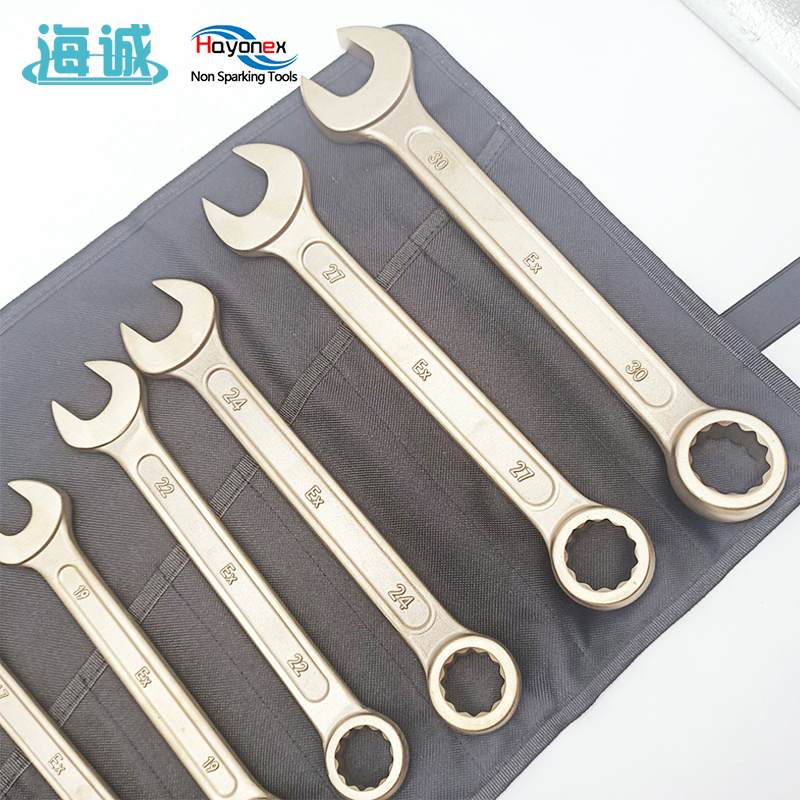
From wrenches to hammers, here's a quick rundown of some common Non-Sparking Tools you might encounter:
- Non-sparking Hammers: Perfect for driving without creating sparks.
- Wrenches: Ideal for tightening or loosening bolts without the risk of ignition.
- Screwdrivers: Handy for delicate tasks where sparks could cause a big problem.
When to Use Non-Sparking Tools
So, when should you reach for these specialized tools? Well, anytime you're working in a potentially explosive environment! This includes:
- Oil and gas facilities
- Mining operations
- Chemical manufacturing plants
In short, if there's a risk of flammable materials, you know it's time to bring out the non-sparking tools!
Best Practices for Using Non-Sparking Tools
While these tools are designed to be safer, proper usage is key. Here are some best practices to keep in mind:
- Always inspect your tools before use to ensure they are in good condition.
- Store them properly to avoid unnecessary damage.
- Train employees on the specific uses and benefits of non-sparking tools.
Conclusion: Safety First!
In conclusion, Non-Sparking Tools are a vital part of safety protocols in industries where flammable materials are present. Their unique design and material properties make them essential for preventing catastrophic accidents. As the saying goes, "An ounce of prevention is worth a pound of cure." So, equip yourself and your team with the right non-sparking tools, and you'll be one step closer to ensuring a safe work environment!
Key words:
Key words:
Non-sparking tools,explosion-proof tools,non-sparking tools adjustable wrenche,non-sparking tools copper hammers
Related News


