



Blog
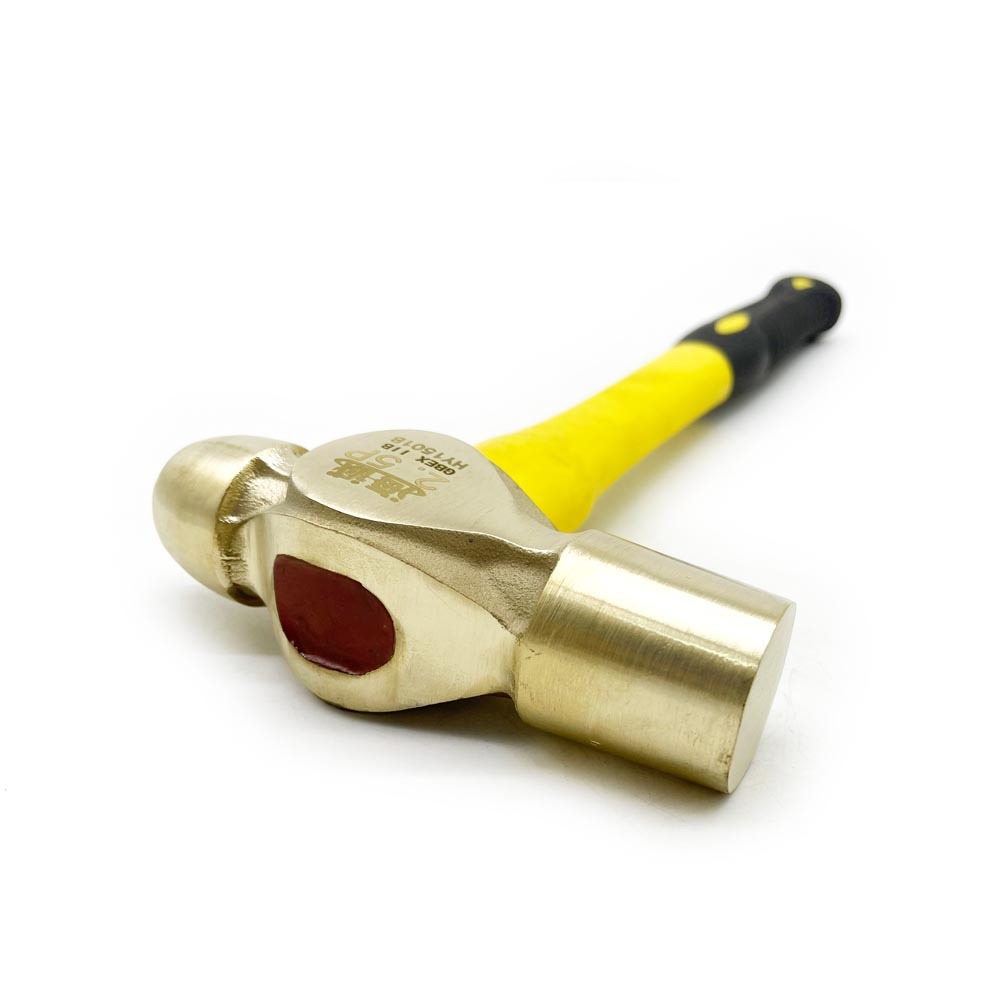
"Haicheng" explosion-proof tools are star products and very popular among custmers and friends
Safety Tools: Your Essential Guide to non-sparking tools
Release time:
2025-07-31
【Summary】 Discover the importance of safety tools in hazardous environments and how to choose the right non-sparking tools
Understanding Safety Tools
In today’s fast-paced world, safety tools are not just accessories; they’re essentials. Whether you’re in a manufacturing plant, a construction site, or any area prone to hazards, having the right safety tools can make all the difference. But wait, what exactly are safety tools? Simply put, they are devices or equipment designed to protect individuals from injury or accidents in hazardous environments.
The Importance of Non-sparking tools
Now, let’s dive into the specific realm of Non-sparking tools , or explosion-proof tools, shall we? These specialized safety tools are engineered to prevent explosions in environments where flammable gases or dust may be present. Imagine working in a chemical plant or an oil rig—one tiny spark could lead to catastrophic consequences! So, having Non-sparking tools on hand is not just a good idea; it’s a necessity!
Types of Safety Tools You Need
So, what types of safety tools should be on your radar? Here’s a quick rundown:
- Personal Protective Equipment (PPE): Helmets, goggles, gloves, and ear protection.
- Fire Extinguishers: Because safety should always come first!
- First Aid Kits: You never know when you’ll need a band-aid or two.
- Non-sparking tools : Tools specifically designed to operate safely in explosive atmospheres.
Choosing the Right Safety Tools
Alright, folks, let’s talk about how to choose the right safety tools. You can’t just grab any old tool off the shelf and hope for the best! Here are some tips to keep in mind:
1. Assess the Risks
First things first, you need to assess the risks in your environment. Are there flammable materials? Is there a risk of falling objects? Knowing the answers to these questions will guide you in selecting the appropriate safety tools.
2. Check for Certifications
Just because a tool looks safe doesn’t mean it is! Always check for certifications that validate the tool’s safety standards, especially when it comes to non-sparking tools. Look for labels from recognized organizations that guarantee the tool has passed rigorous safety tests.
3. Quality Over Price
It’s tempting to go for the cheapest option, but when it comes to safety, you really do get what you pay for. Investing in high-quality safety tools can save you from potential disasters down the line. Remember, “A penny saved is a penny earned,” but your life is worth more than a few dollars!
Training: The Key to Safety
Now, let’s not forget the importance of training! Even the best safety tools can’t protect you if you don’t know how to use them properly. Regular training sessions can ensure that everyone on the team knows how to use Non-sparking tools and other safety tools effectively.
Best Practices for Using Safety Tools
Here are some best practices to keep in mind:
- Inspect Regularly: Always check your safety tools before use. A small crack can lead to big problems!
- Store Properly: Make sure your tools are stored in a safe and accessible location.
- Follow Guidelines: Adhere to all safety guidelines and protocols when using any safety tools.
Conclusion
In summary, safety tools are your best friends in hazardous environments. From non-sparking tools to PPE, understanding their importance and knowing how to choose and use them can keep you—and your coworkers—safe. So, gear up and ensure that safety is always a priority!
Key words:
Key words:
Safety tools,non-sparking tools,Non-sparking tools,brass hammer
Related News


