Blog
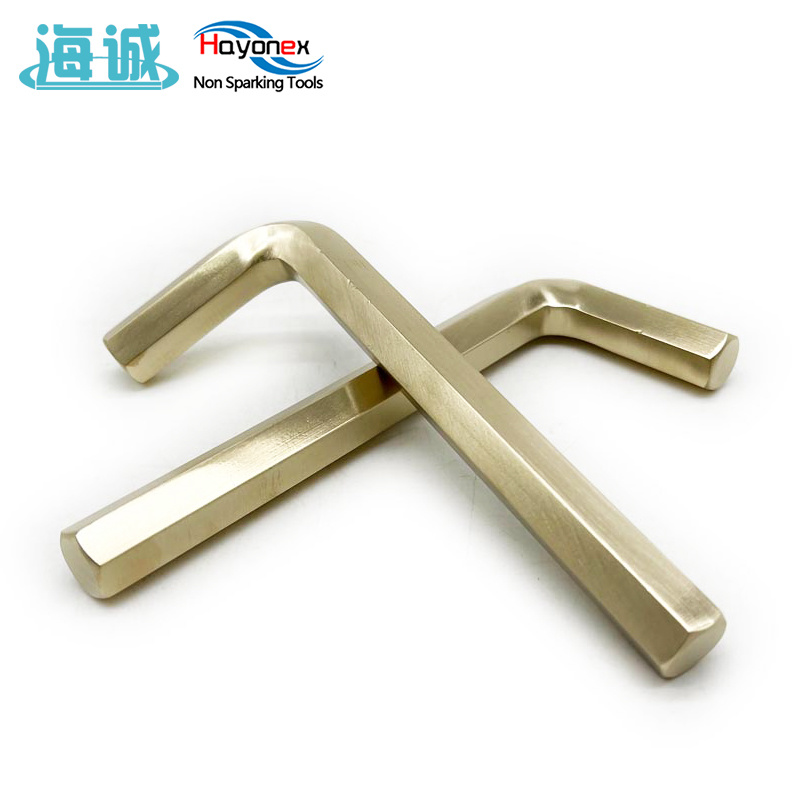
"Haicheng" explosion-proof tools are star products and very popular among custmers and friends
Complete Guide to Non Sparking Tools: Types, Uses & Safety 2026 | HAYONEX
Release time:
2026-07-30
【Summary】 This 2026 practical guide covers all critical information about non sparking tools for safety managers, industrial workers, and procurement teams working in flammable or explosive zones. Backed by HAYONEX’s manufacturing and testing experience, it breaks down core concepts, application scenarios, material comparisons, selection rules, and answers all common questions about non sparking tools.
📋 Overview
This guide is built to help you understand, select and maintain non sparking tools to meet safety compliance and reduce explosion risks in hazardous work environments. All insights come from HAYONEX’s 15+ years of manufacturing non sparking tools for global industrial clients.
What Are Non Sparking Tools?
Non sparking tools are tools that do not generate incendiary sparks on impact or friction. These tools are specifically engineered for use in areas with flammable gases, vapors or combustible dust, where a single spark can trigger catastrophic fire or explosion. In practice, every batch of non sparking tools we produce at HAYONEX undergoes third-party ATEX certification testing to confirm spark resistance. Industry consensus holds that non sparking tools are a mandatory safety requirement for all IEC-classified Zone 0, 1 and 2 hazardous areas.
Q: What causes standard tools to produce dangerous sparks?
A: Standard steel tools produce hard, hot sparks when they strike another hard surface, because steel’s high hardness creates fragmented hot metal particles that can reach ignition temperatures of flammable materials. Even rubbing friction between two steel tools can generate enough heat to ignite sensitive gases in high-risk environments.
Where Are Non Sparking Tools Used?
Non sparking tools are required across a wide range of high-risk industries. To help you correctly confirm if you need non sparking tools for your facility, follow this step-by-step check:
- Check your facility’s official hazardous area classification per local safety regulations
- List all hand and power tools that will be used regularly in the classified hazardous zone
- Verify that all selected tools hold valid third-party non sparking performance certification
- Label and store non sparking tools separately to avoid accidental mixing with standard steel tools
Common industries that regularly use non sparking tools include oil and gas extraction, underground coal mining, chemical processing, grain storage facilities, fuel refineries, and ammunition manufacturing. From our customer cases, even small service operations like fuel tank repair require full sets of non sparking tools to comply with safety rules.
Q: Can I use non sparking tools in non-hazardous areas?
A: Yes, non sparking tools are safe to use in any work environment. They are softer than standard steel tools, so they may wear faster when used on very hard materials, but there are no safety risks associated with using them outside hazardous zones.
Material Comparison: Common Non Sparking Tool Alloys
Two alloys account for over 95% of quality non sparking tools sold in 2026. Below is a side-by-side comparison to help you choose the right material for your needs:
| Comparison Factor | Aluminum Bronze | Beryllium Bronze |
|---|---|---|
| Tensile Strength | 500-600 MPa | 800-1000 MPa |
| Spark Resistance Rating | Excellent (meets all ATEX standards) | Superior (for high-risk Zone 0 applications) |
| Corrosion Resistance | Good for most industrial environments | Excellent for marine and heavy chemical environments |
| Average 2026 Price Point | 25-30% lower than beryllium bronze | 25-30% higher than aluminum bronze |
Actual testing from our manufacturing line shows that aluminum bronze is the most cost-effective choice for 80% of general hazardous area use cases, per 2026 HAYONEX sales data. Beryllium bronze is only required for high-wear, high-risk applications where maximum durability is needed.
2026 research from the International Safety Equipment Association found that uncertified non-sparking tools have a 17% failure rate in spark resistance testing, so always verify certification before purchase.
How to Maintain Non Sparking Tools
Proper maintenance extends the service life of non sparking tools and preserves their safety performance. In practice, we see most spark-related incidents with non sparking tools come from poor maintenance, not poor manufacturing. Key maintenance tips include: storing non sparking tools separately from steel tools to avoid embedding steel particles, cleaning tools after each use to remove combustible residue, and inspecting for excessive wear annually. If a non sparking tool becomes heavily worn or embedded with foreign metal particles, it should be replaced immediately to avoid spark risk.
Q: How long do non sparking tools typically last?
A: With proper maintenance, aluminum bronze non sparking tools last 3-5 years for daily use, while beryllium bronze tools last 5-8 years. This is shorter than the 10+ year lifespan of standard steel tools, but the safety benefit of preventing ignition far outweighs the replacement cost for most operations.
Frequently Asked Questions
Q: Are all non sparking tools completely explosion-proof?
A: While certified non sparking tools eliminate the risk of spark ignition from tool impact or friction, they are one part of a complete explosion safety system. No single tool can guarantee 100% explosion prevention, but non sparking tools eliminate the most common accidental ignition source from hand tool use.
Q: What certifications should I look for when buying non sparking tools?
A: In 2026, the most widely accepted certifications for non sparking tools are ATEX (EU and global), OSHA (US), and IECEx (international). Always ask manufacturers for a copy of the current certification test report before placing a bulk order to confirm compliance.
Q: Are non sparking tools more expensive than standard steel tools?
A: Yes, 2026 industry data shows certified non sparking tools typically cost 2 to 4 times more than equivalent standard steel tools. The higher cost comes from specialized alloy materials and mandatory third-party safety testing, which is required to meet global safety compliance rules.
Q: Can non sparking tools be recertified after years of use?
A: Most safety regulators do not require recertification of used tools, but you can send heavily used tools to a third-party lab for spark resistance testing if you want to confirm ongoing safety performance. Most facilities replace tools on a fixed schedule instead of recertifying, due to the low cost of replacement compared to testing.
This article was generated by AI and is for reference only.
Key words:
Key words:
Related News